Sterilization and Storage Guidelines for Surgical Gauze Products - Libral Traders
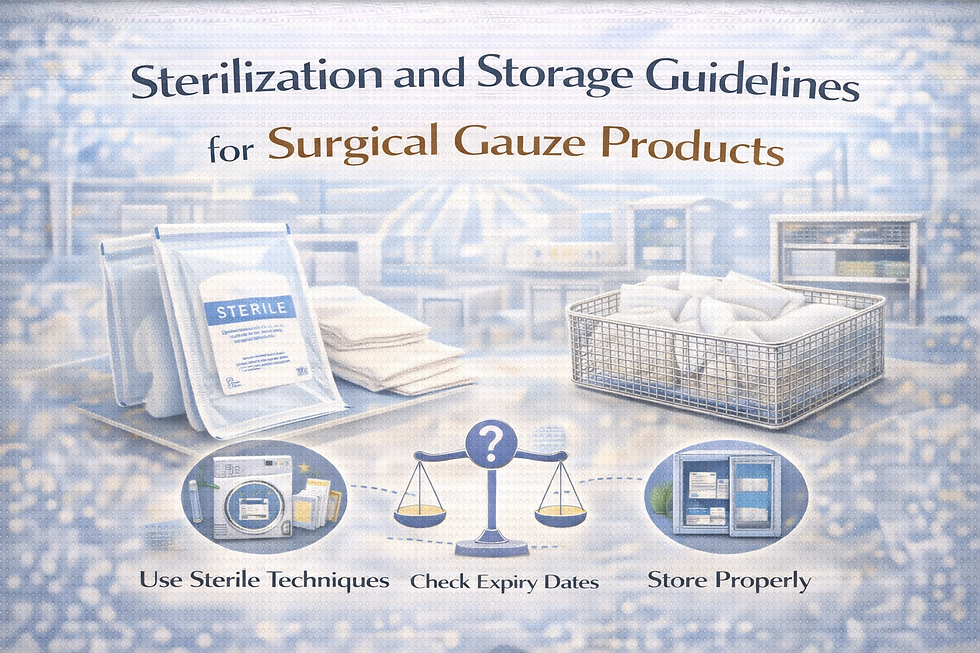
Surgical gauze is a fundamental component in medical care, widely used for wound dressing, cleaning and absorption. Given its direct contact with open wounds and sensitive tissues, maintaining its sterility and proper storage is critical to preventing infections and ensuring patient safety. Healthcare providers, manufacturers, and distributors must adhere to strict sterilization and storage protocols to preserve the integrity and effectiveness of surgical gauze products.
Sterilization is the first and most essential step in preparing surgical gauze for safe use. It involves eliminating all forms of microbial life, including bacteria, viruses, fungi, and spores. Several sterilization methods are commonly employed, each selected based on the material properties of the gauze and the intended application. Steam sterilization, also known as autoclaving, is one of the most widely used techniques due to its efficiency and reliability. It uses high-pressure saturated steam at controlled temperatures to destroy microorganisms. However, this method may not be suitable for all types of gauze, particularly those with heat-sensitive components.
Another common method is ethylene oxide (EtO) sterilization, which is ideal for delicate materials that cannot withstand high temperatures. EtO gas penetrates packaging and effectively sterilizes the gauze without causing damage. Similarly, gamma radiation sterilization is used for large-scale industrial processing, offering deep penetration and consistent results. Regardless of the method used, it is essential that the sterilization process is validated and monitored regularly to ensure compliance with healthcare standards and regulations.
Equally important is the packaging of surgical gauze post-sterilization. Sterile gauze must be sealed in protective, contamination-resistant packaging that maintains sterility until the point of use. Packaging materials should be durable, breathable where necessary, and clearly labeled with sterilization indicators, batch numbers, and expiration dates. Any compromise in packaging integrity, such as tears or punctures, can lead to contamination and render the product unsafe.
Proper storage conditions play a vital role in preserving the sterility and usability of surgical gauze. Sterile gauze products should be stored in a clean, dry, and well-ventilated environment, away from direct sunlight, moisture, and extreme temperatures. Ideally, storage areas should maintain a consistent temperature and humidity level to prevent degradation of both the gauze and its packaging. High humidity, for instance, can weaken packaging materials and promote microbial growth, while excessive heat can affect the structural integrity of the gauze fibers.
Inventory management is another key aspect of proper storage. Healthcare facilities should follow a first-in, first-out (FIFO) system to ensure that older stock is used before newer supplies. Regular inspections should be conducted to check for expired products or damaged packaging. Any compromised items must be discarded immediately to avoid the risk of infection.
Handling practices also influence the sterility of surgical gauze. Personnel should always use clean or gloved hands when handling sterile packages, and avoid placing them on contaminated surfaces. Once a package is opened, the gauze should be used promptly or discarded if not used within a specified timeframe, depending on institutional guidelines.
In conclusion, maintaining the sterility and proper storage of surgical gauze products is essential for effective infection control and patient care. By adhering to validated sterilization methods, using secure packaging, and following strict storage and handling protocols, healthcare providers can ensure that surgical gauze remains safe and effective for medical use. As healthcare standards continue to evolve, ongoing training and compliance with best practices will remain crucial in safeguarding patient health.



Comments